


Expert Review Blurb
This technical guide has been reviewed and verified by the CedarsHVAC.com Engineering Standards Team. Our specialists have over 45 combined years of experience in high-performance HVAC/R electrical systems and variable frequency drive (VFD) implementation. We are committed to ensuring your installations meet the highest levels of industrial safety and operational efficiency.
As we enter the peak of the 2026 summer season, the reliability of your mechanical systems isn't just a matter of comfort: it’s a matter of Operational Excellence. When temperatures soar, the cooling load on hvac compressors and hvac fan motors reaches critical levels. Variable Frequency Drives (VFDs) are the frontline defense for these systems, offering precise control and significant energy savings. However, even a premium VFD can fail if the installation process is compromised.
At CedarsHVAC.com, we believe in providing a Differentiated Experience by going beyond just shipping parts. We want to ensure your facility maintenance managers and technicians are equipped with the technical knowledge to deliver a delightful experience for end-users. Below, we break down the seven most common mistakes made during vfd control panel installations and how to rectify them to ensure summer-long reliability.
1. SIZING BY HORSEPOWER INSTEAD OF AMPERAGE
A frequent pitfall in VFD selection is matching the drive to the motor's nameplate Horsepower (HP). While HP is a convenient shorthand, VFDs are electronic devices that manage current. Sizing a drive based solely on HP can lead to undersizing, especially if the motor has a high service factor or is an older, less efficient model.
THE FIX: Always size your VFD based on the motor’s Full-Load Amperage (FLA) and actual operating current. Conduct a load study during peak operation to ensure the drive can handle 110–115% of the continuous current. This customer-centric approach prevents nuisance trips when the heat wave is at its most intense.
2. THE SILENT KILLER: POOR GROUNDING AND EMI
Electromagnetic Interference (EMI) can wreak havoc on building management systems (BMS) and sensitive sensors. Many technicians treat VFD grounding as a standard electrical task, but the high-frequency switching of a VFD creates "noise" that requires specialized handling.
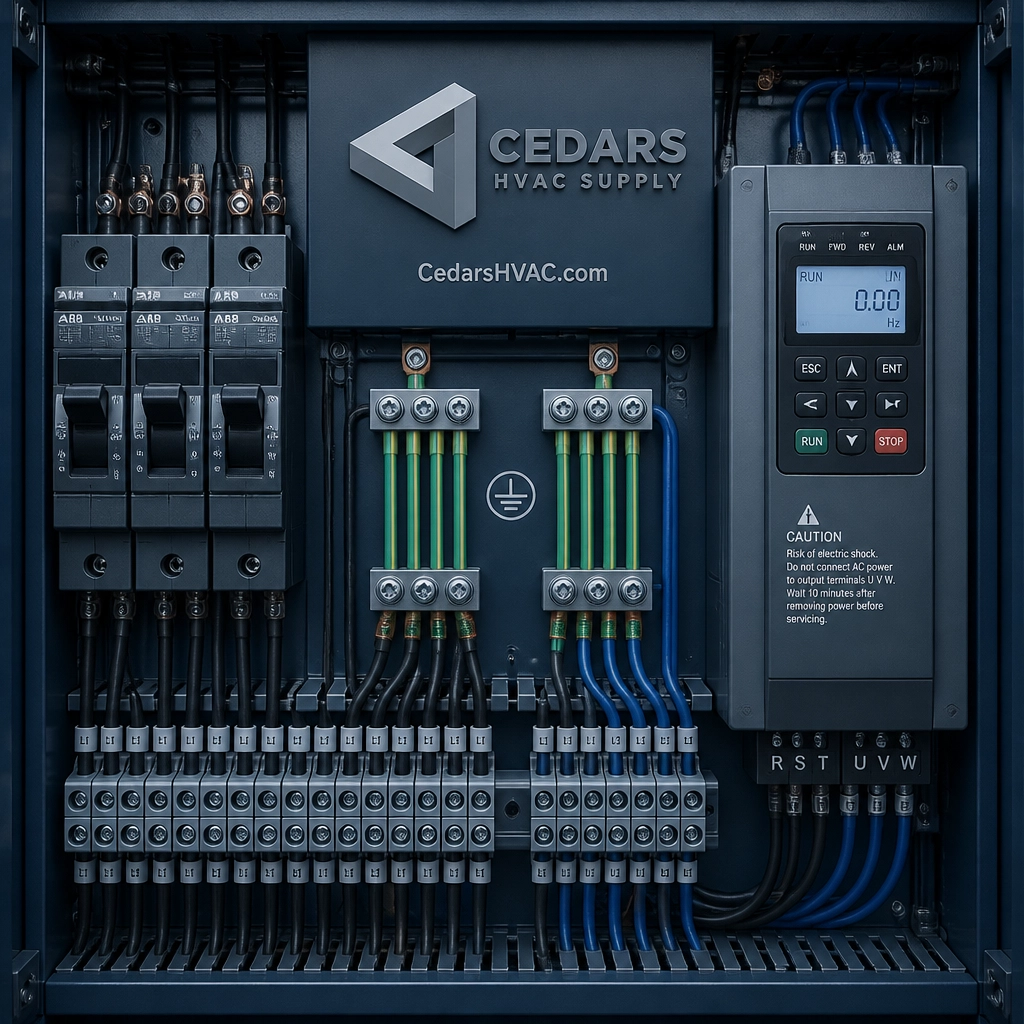
THE FIX: Use a dedicated, low-impedance ground directly from the VFD to the panel ground bar. Ensure you are using VFD-rated shielded motor cables. Critically, shields should generally be terminated at the drive end to prevent ground loops. Keeping power and control cables in separate conduits is a non-negotiable standard for professional reliability.
3. NEGLECTING THE "HEAT" IN THE HEAT WAVE
It is an irony of the industry: the very devices meant to protect your system from heat are often susceptible to it. Installing a VFD in a poorly ventilated panel or a mechanical room without adequate airflow is a recipe for premature failure.
THE FIX: Maintain strict adherence to manufacturer clearance specifications: typically 4 to 6 inches above and below the drive. For high-density panels, incorporate panel fans or dedicated cooling units. If you are operating in a dusty environment, such as a construction site or textile facility, ensure your panel has the appropriate IP rating (e.g., IP54 or NEMA 12) to prevent debris from clogging heat sinks.
4. OVERLOOKING HARMONIC DISTORTION
As VFDs become more prevalent in large facilities, the cumulative effect of harmonic distortion can overheat transformers and cause interference with the local utility grid. Ignoring harmonics isn't just a technical oversight; it can lead to costly fines or equipment damage elsewhere in the building.
THE FIX: For installations where the VFD load exceeds 25% of the total system capacity, install 3% or 5% impedance line reactors. These reactors act as a buffer, smoothing out the current waveform and protecting both the VFD and the motor. At CedarsHVAC.com, we view harmonic mitigation as a cornerstone of Operational Excellence.
5. RUSHED PROGRAMMING AND SKIPPING THE AUTO-TUNE
Many installers assume the factory default settings are "good enough" to get the system running. However, defaults are rarely optimized for the specific torque requirements of a massive hvac compressor or the static pressure needs of a centrifugal fan.
THE FIX: Take the time to input the motor's specific nameplate data: voltage, frequency, and RPM: manually. Run the VFD’s Auto-Tune function. This allows the drive to "learn" the unique electrical characteristics of the motor, optimizing current delivery and ensuring a delightful experience through smoother startups and more stable operations.
6. IMPROPER PHASE ROTATION AND TERMINAL TORQUE
It sounds elementary, but reversed phases on a compressor can be catastrophic. Furthermore, the vibration inherent in mechanical rooms can loosen electrical connections over time, leading to arcing and localized heat buildup.
THE FIX: Verify phase rotation before the first start. If a fan or compressor is running backward, swap any two output leads at the VFD terminals. Use a calibrated torque wrench to tighten all terminals to the manufacturer’s exact inch-pound specifications. A Secure and well-torqued connection is the mark of a professional technician.
7. MISSING OR UNSAFE BYPASS ARRANGEMENTS
In critical applications: like a hospital or data center: a VFD failure cannot mean a total system shutdown. However, many bypass circuits are poorly designed, allowing for the possibility of the VFD and the bypass contactor being energized simultaneously.
THE FIX: Implement a mechanically and electrically interlocked bypass arrangement. This ensures that if the VFD requires maintenance, the motor can run "across-the-line" safely. Always include current-limiting fuses in the bypass circuit to maintain the same level of protection for your expensive hvac fan motors.
PRODUCT SHOWCASE: PREMIUM COMPONENTS FOR PEAK PERFORMANCE
To achieve true system reliability, you must pair expert installation with trusted hardware. Here are four essential products from our current inventory designed for the most demanding HVAC/R environments.
COPELAND ZP76KCE-TFD-950 SCROLL COMPRESSOR
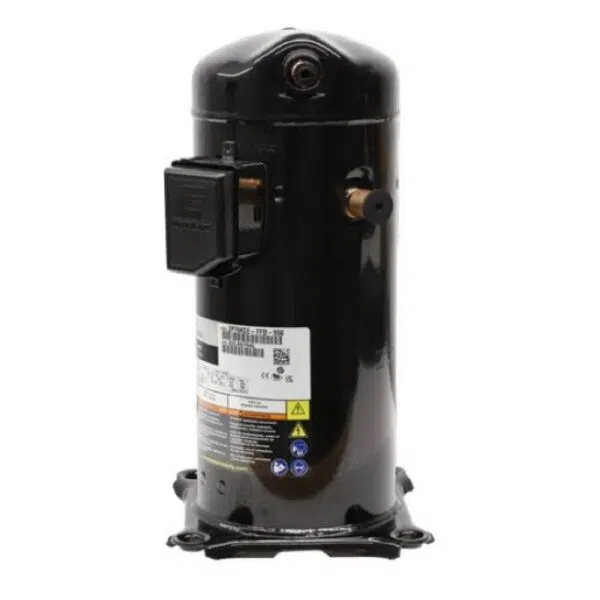
Engineered for high-efficiency commercial air conditioning and refrigeration applications.
- ❄️ Capacity: 6.3 Ton / 76,000 BTU
- ⚡ Voltage: 380-460 V, 3 Phase
- 🔄 Compatibility: Optimized for R410A systems
- 🛡️ Reliability: Built for quiet, long-term performance under high load
SHOP NOW
AXIAL FAN MOTOR ASSEMBLY (FOUR-BLADE)

The perfect solution for ensuring optimal air circulation in commercial evaporator and condenser units.
- 🌪️ Design: Robust 4-blade axial configuration for maximum airflow
- 🛠️ Installation: Includes integrated stand and mount for quick setup
- 🧊 Application: Ideal for refrigeration and heavy-duty HVAC cooling
- 🔌 Power: Simple electrical connection with durable wiring harness
GET STARTED TODAY
NUSTART COMPRESSOR SOFT STARTER (MODEL 5010-21)
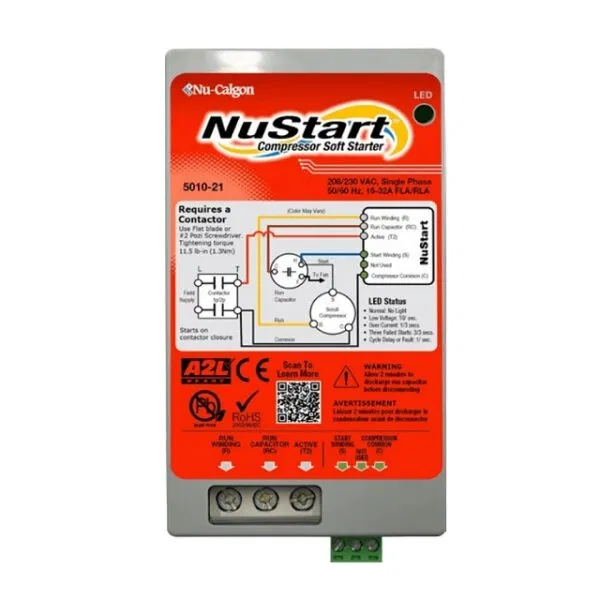
Protect your compressors from the high in-rush current that causes mechanical stress and light flickering.
- 📉 Function: Reduces start-up power demand by up to 60%
- ⚡ Voltage: 208-230 V, Single Phase
- 🚨 Protection: Features reverse scroll and low-voltage lock-out
- 📋 Ease of Use: Clear wiring diagram and LED status indicators included
SECURE YOUR SYSTEM
GMCC ROTARY COMPRESSOR WITH ACCUMULATOR
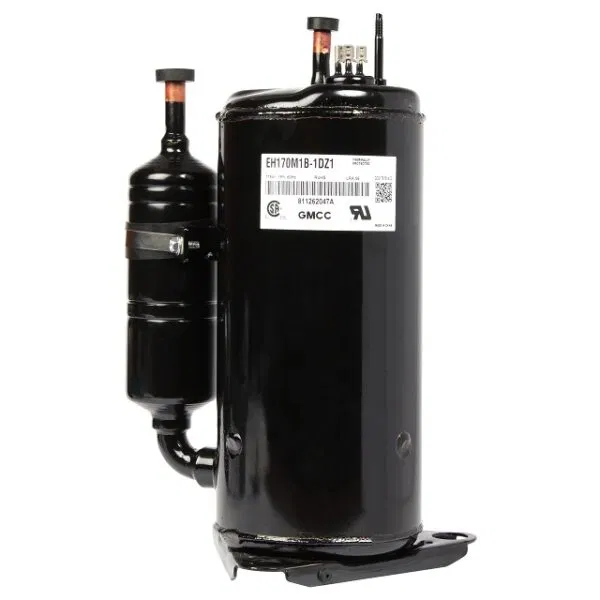
High-efficiency rotary technology designed for residential and light commercial cooling.
- 🎯 Tonnage: 1 Ton / 12,000 BTU capacity
- 🔋 Efficiency: Features an attached accumulator for enhanced liquid protection
- ⚡ Electrical: 208-230 V, 1 Phase, 60 Hz
- ✅ Quality: Trusted GMCC Toshiba engineering for reliable operation
SHOP REPLACEMENT PARTS
COMMITTED TO YOUR SUCCESS
At CedarsHVAC.com, we are TRUSTED by industry professionals because we understand that your reputation depends on the quality of the parts you install. Our commitment to Operational Excellence means we don't just sell components; we provide the solutions that keep America's cooling infrastructure running through the hottest months of the year.
Whether you are looking for high-performance hvac compressors, precision vfd control panels, or replacement hvac fan motors, our team is here to ensure you have a delightful experience from order to installation.
Professional Disclaimer
The information provided in this technical guide is for educational purposes only. HVAC/R electrical installations involving Variable Frequency Drives (VFDs) and high-voltage components should only be performed by licensed, qualified professionals. Improper installation can result in equipment damage, severe injury, or death. Always refer to the specific manufacturer’s installation manual and local electrical codes (NEC) before proceeding with any work. CedarsHVAC.com assumes no liability for actions taken based on this content.