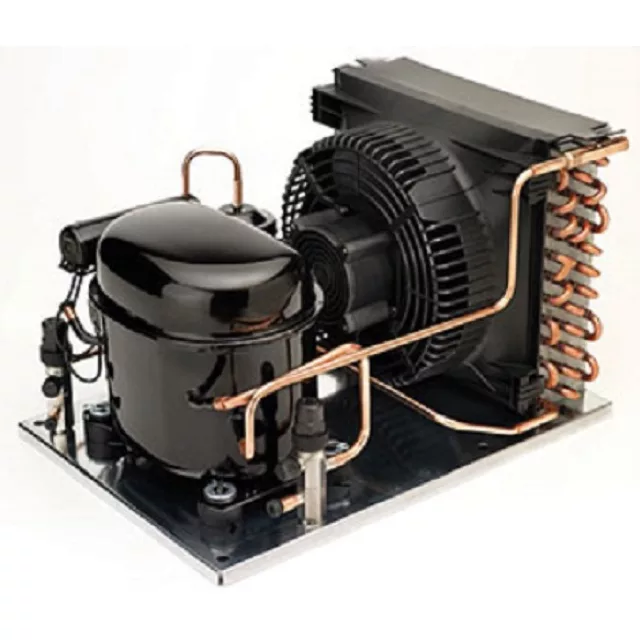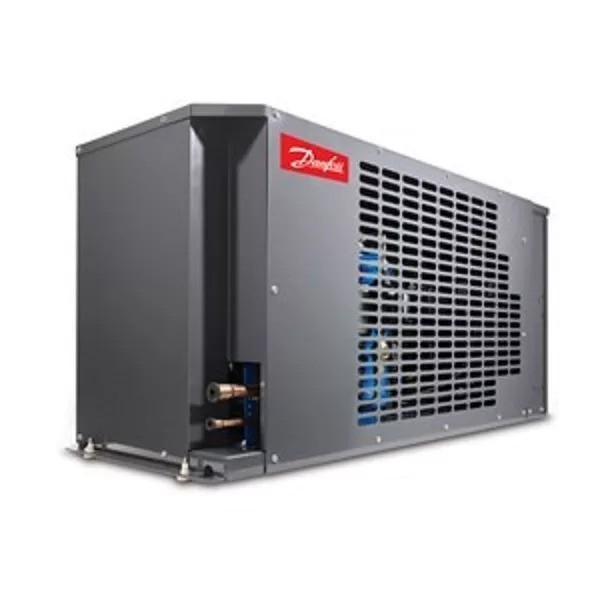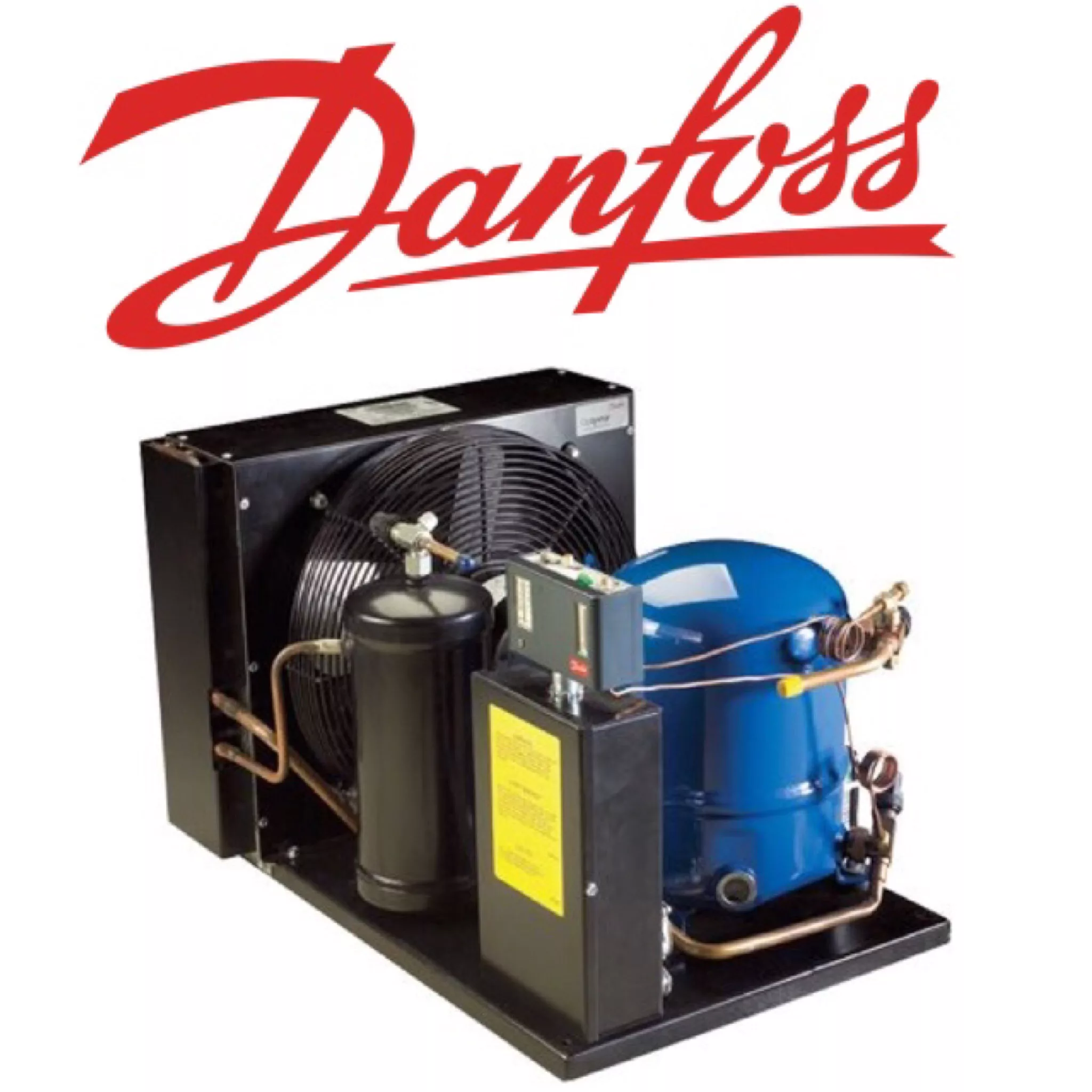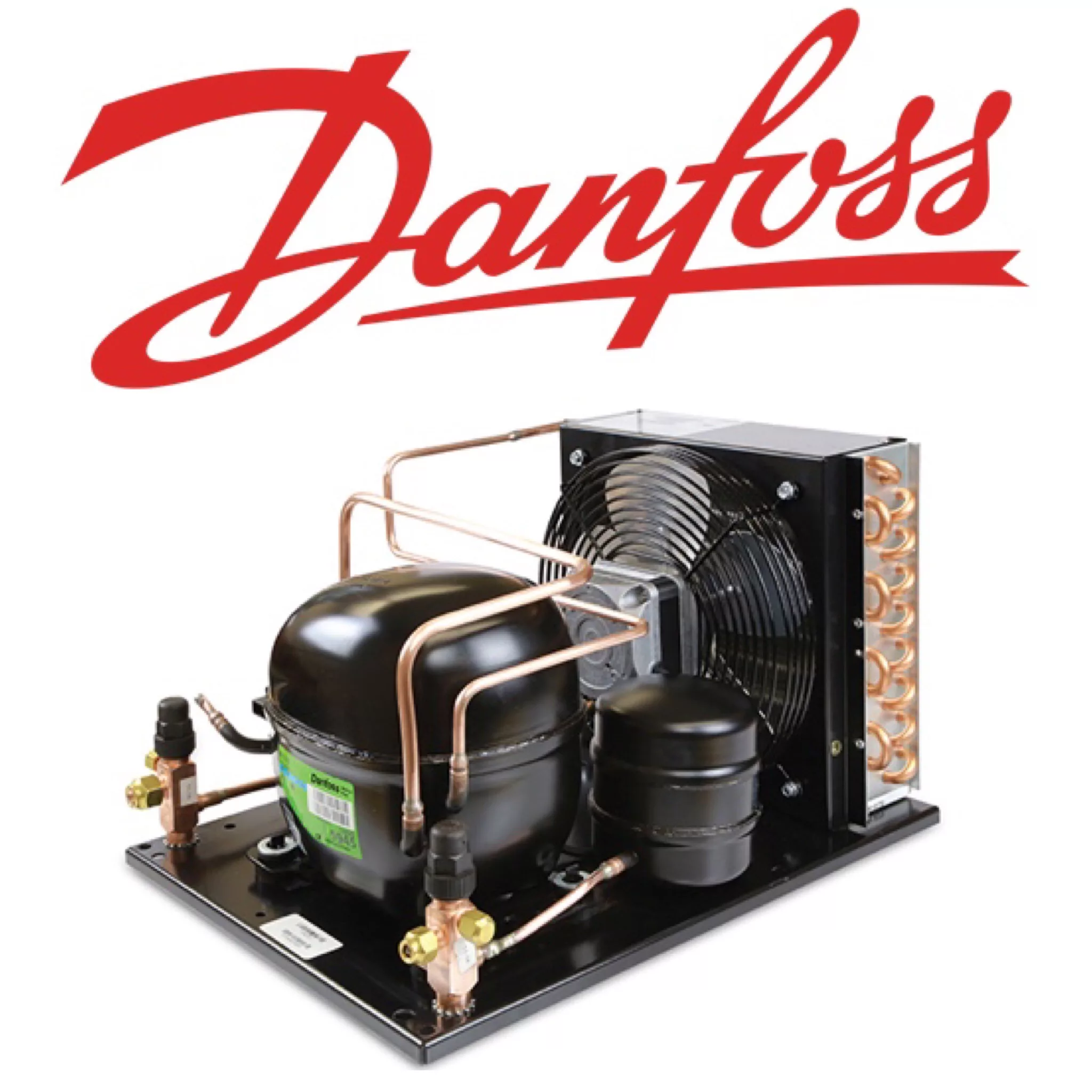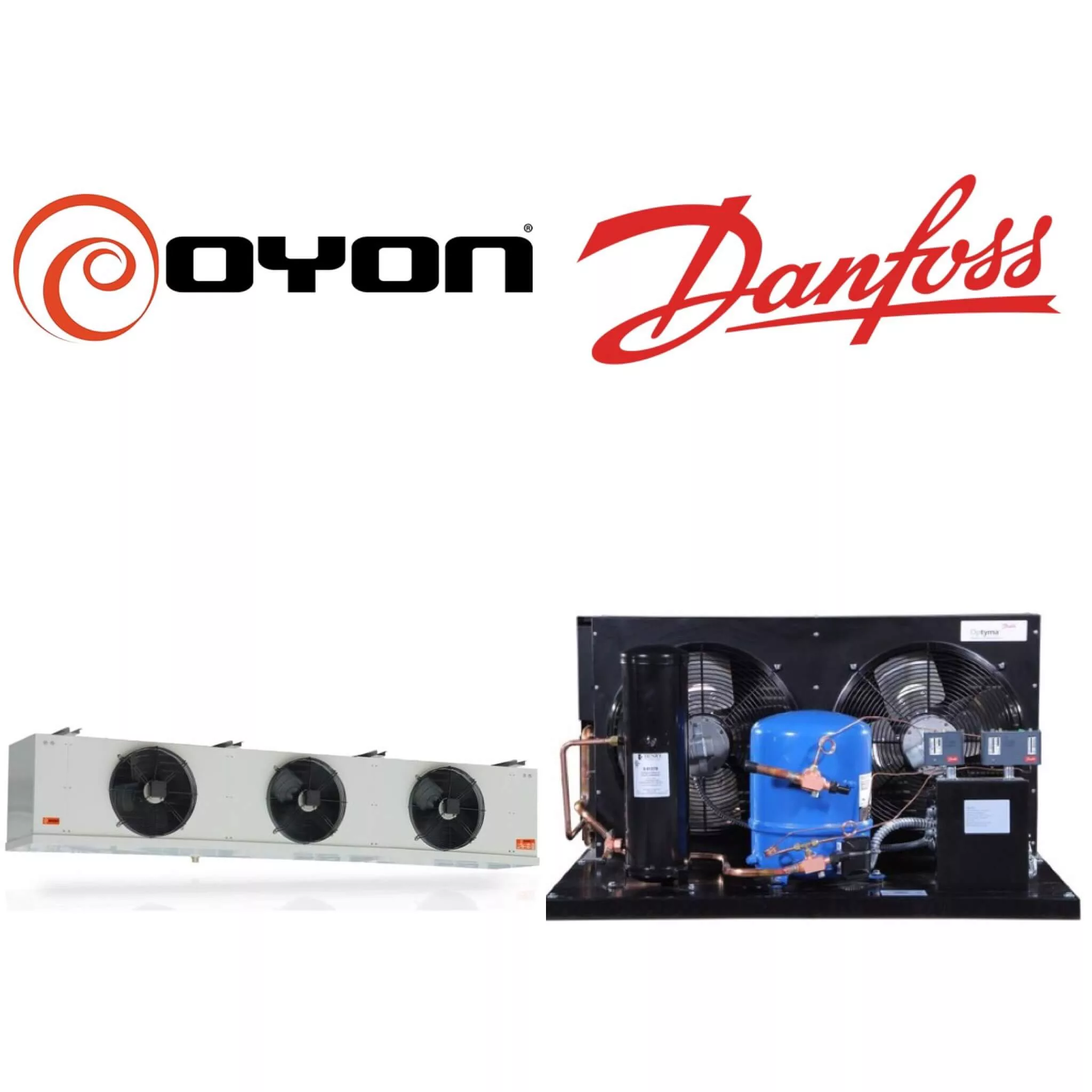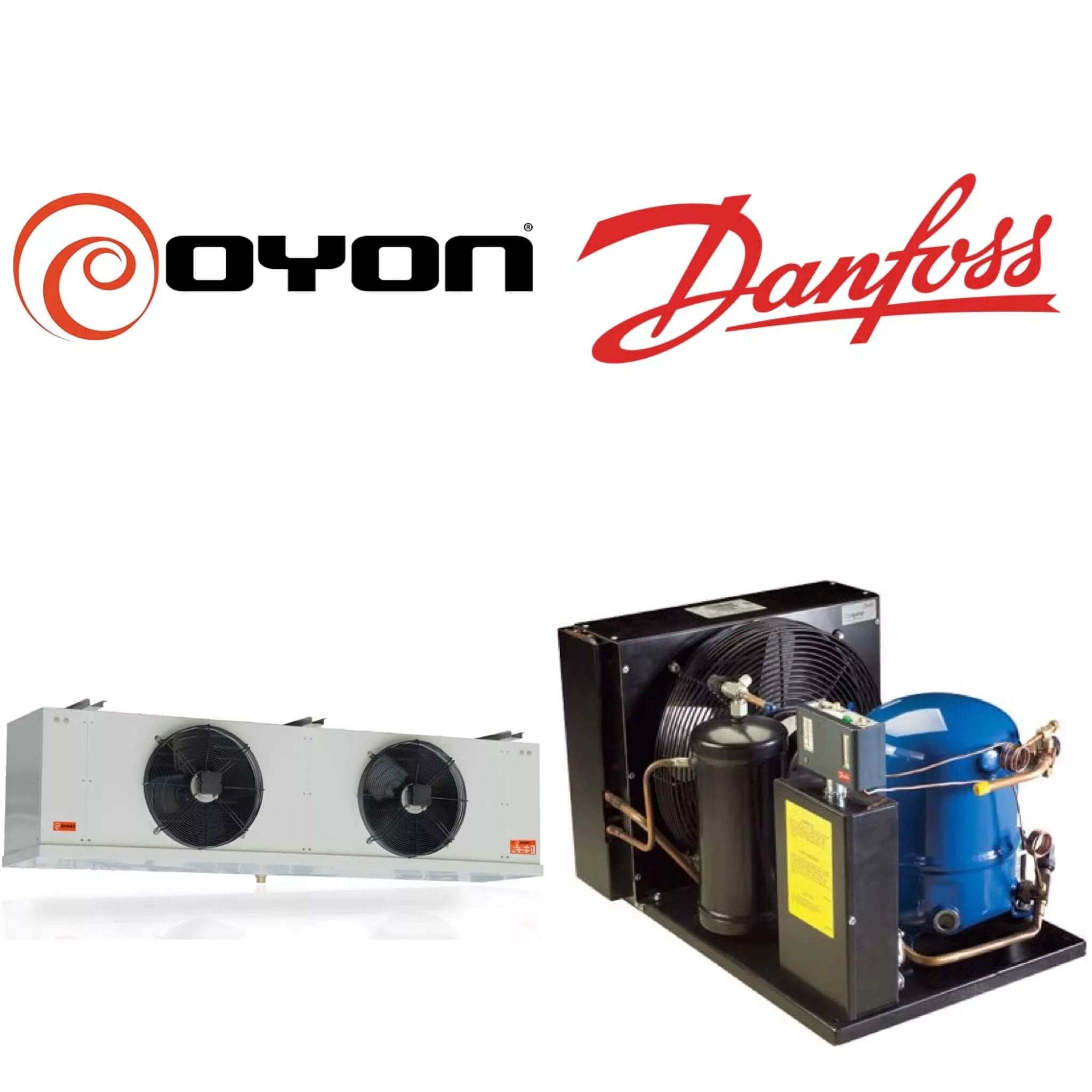

Cedars HVAC Supply stocks commercial refrigeration condensing units from Tecumseh, Danfoss, and MRCOOL, in 1/3 through 13.5 HP, MBP and LBP.
A condensing unit is the compressor, condenser coil, fan, and receiver packaged on one base — the outdoor half of a walk-in cooler, freezer, reach-in, prep table, or refrigerated case. Cedars HVAC Supply carries air-cooled units in single- and three-phase, plus self-contained compact systems, so you can match a replacement to the box you already have instead of redesigning the system.
Matching a Unit to the Application
Condensing units are rated by back pressure, which is a shorthand for the evaporator temperature range they were built to hold. Selecting outside that range is the most common cause of a unit that runs constantly and never pulls the box down:
- HBP (high back pressure) — evaporator roughly 20°F to 50°F. Air conditioning, process cooling, and warm-storage applications.
- MBP (medium back pressure) — evaporator roughly -10°F to 20°F. Walk-in coolers, reach-ins, prep tables, florist and beverage coolers, and most produce or dairy storage.
- LBP (low back pressure) — evaporator roughly -40°F to -10°F. Walk-in freezers, ice cream cabinets, frozen storage, and blast applications.
Refrigerants We Stock Units For
- R-404A — the long-standing low- and medium-temperature commercial refrigeration standard, and the most common charge across our Tecumseh and Danfoss inventory.
- R-507 — an azeotropic blend used much like R-404A, with near-identical pressure and capacity behavior in LBP service.
- R-134A — a medium-temperature refrigerant common in coolers, bottle coolers, and single-door reach-ins where freezer capacity is not required.
- R-32 — a lower-GWP refrigerant used in newer compact and self-contained systems such as the MRCOOL MMFDW12D.
Electrical Configurations
Stocked units cover 115 V and 208/230 V single-phase for most light commercial work, and 230 V or 460 V three-phase on larger horsepower where single-phase inrush becomes impractical. Confirm the available service at the site before ordering — phase and voltage are not field-convertible on a sealed condensing unit.
How to Specify a Replacement
- Read the existing nameplate first. Model number, refrigerant, voltage, phase, and application range are all printed there and should be matched, not estimated.
- Match the refrigerant to the metering device. Swapping refrigerants usually means changing the TXV or capillary and the compressor oil, which is rarely worth it on a like-for-like replacement.
- Size to the load, not to the old horsepower. If the box was undercooled before, a same-HP replacement will underperform in the same way.
- Check receiver and mounting. Base dimensions and line connection points vary between families even within one manufacturer.
Related Parts
Most condensing unit replacements need supporting components on the same order. Cedars HVAC Supply also stocks compressors, filter driers, valves, oil separators, and suction line accumulators for refrigeration service work.