
Expert Review Blurb: This technical guide has been compiled and rigorously reviewed by veteran HVAC/R engineers and field technicians with decades of combined commercial and residential service experience. Every diagnostic procedure and maintenance protocol aligns with current ASHRAE, EPA, and AHRI standards to ensure absolute field accuracy, safety, and operational compliance.
As peak cooling season reaches its zenith, professional HVAC contractors face an intense wave of mid-to-late summer service calls. Central air conditioning systems have been running continuously under grueling thermal loads for weeks, pushing mechanical components, electrical terminals, and refrigerant circuits to their absolute limits. To prevent catastrophic late-summer failures, equipment downtime, and costly callbacks before September, service technicians must execute a rigorous, standardized diagnostic protocol.
At CedarsHVAC.com, we champion Operational Excellence across every facet of the supply chain, empowering contractors with professional-grade equipment and lightning-fast fulfillment. Delivering a Differentiated Experience to your commercial and residential clients starts with proactive maintenance that ensures peak efficiency, uncompromising safety, and long-term system reliability.
Below is the definitive 2026 mid-summer service checklist designed specifically for professional contractors servicing central air conditioning systems.
1. POWER ISOLATION, LOTO, AND BASELINE ELECTRICAL VERIFICATION
Before opening any cabinet panels or inspecting internal compartments, safety must remain paramount. Mid-summer heat surges often cause high-resistance shorts and thermal fatigue across incoming power feeds.
- Execute Strict Lockout/Tagout (LOTO): Verify complete power disconnection at both the outdoor service disconnect and the main breaker panel. Use a calibrated digital multimeter to confirm zero voltage before touching any terminal block.
- Verify Nameplate Data & Electrical Ratings: Record operating voltage, Minimum Circuit Ampacity (MCA), and Maximum Overcurrent Protection (MOP). Cross-reference these against current operating draws to identify latent electrical anomalies.
- Inspect Incoming Feeds and Grounding: Examine service entrance cables for UV degradation, jacket cracking, or loose ground lugs that could induce voltage sags under heavy compressor loads.
2. OUTDOOR CONDENSING UNIT AIRFLOW & COIL INTEGRITY
Restricted airflow is the primary culprit behind soaring head pressures and premature compressor burnout during August heatwaves.
- Maintain Perimeter Clearances: Ensure a strict 2-foot clearance zone around and above the condensing unit, clearing away encroaching vegetation, wind-blown debris, and organic buildup.
- Rigorously Clean Condenser Coils: Inspect aluminum and copper coil fins for airborne cottonwood, dust, and particulate blockage. Apply an approved, non-acidic coil cleaner, rinse thoroughly with low-pressure water, and gently comb out any bent fins.
- Inspect Fan Blade Assembly: Check condenser fan blades for hairline cracks, set screw tightness, and precise rotational balance to eliminate destructive harmonic vibrations.
3. R-410A REFRIGERANT CIRCUIT & COMPRESSOR HEALTH
With ambient temperatures peaking, evaluating the refrigerant circuit is critical to maintaining rated SEER efficiency and preventing slugging.
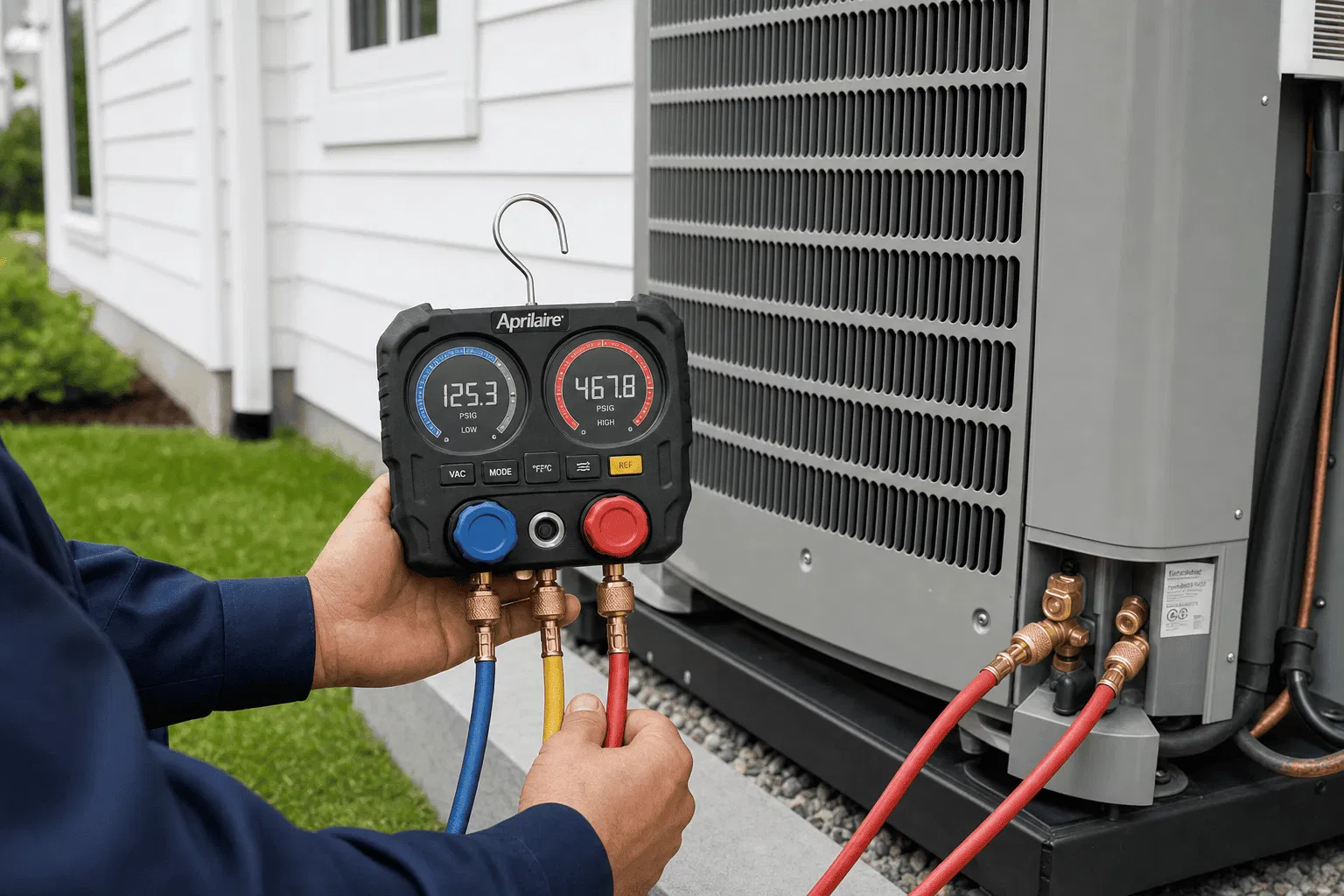
- Measure Operating Pressures: Connect digital manifold gauges rated for R-410A. Evaluate suction and discharge pressures against manufacturer target charts for current indoor wet-bulb and outdoor ambient temperatures.
- Analyze Superheat and Subcooling: Accurately calculate evaporator superheat and condenser subcooling. Correct any deviations caused by minor chronic leaks, metering device restriction, or improper previous charges.
- Monitor Compressor Amperage and Windings: Compare running current against the compressor Running Load Amps (RLA). An amperage draw exceeding 10% above nameplate specifications signals severe system stress, restricted airflow, or internal winding degradation.
4. CONTACTORS, CAPACITORS, AND CONTROL RELAYS
Electrical component failure spikes during mid-summer due to relentless thermal cycling and high ambient enclosure temperatures.
- Inspect Contactor Contacts: Open the control box and examine contactor points for severe pitting, carbon buildup, or arc erosion. Replace any contactor showing uneven material transfer or delayed pull-in.
- Test Start and Run Capacitors: Use a reliable capacitance meter to test microfarad ratings. Capacitors operating outside their ±5–10% tolerance threshold must be replaced immediately to protect motor windings.
- Tighten Terminal Lugs: Use a calibrated torque screwdriver to secure all screw terminals, wire nuts, and quick-disconnect spade connectors, eliminating high-resistance hotspots.
5. INDOOR AIR HANDLER, EVAPORATOR COIL, & DRAIN MANAGEMENT
The indoor side of the central air conditioning system dictates indoor air quality and latent heat removal.
- Inspect and Upgrade Air Filters: Check the return air filter. Replace clogged or restrictive filters immediately to restore design airflow static pressure and protect the blower motor.
- Evaluate Evaporator Coil Cleanliness: Inspect the indoor coil for biological growth, dust accumulation, or icing. Clean thoroughly to ensure optimal heat transfer across the fins.
- Clear Condensate Drain Lines: Flush condensate pans and primary/secondary drain lines with an EPA-approved biocide drain treatment to eliminate algae clogs and prevent catastrophic overflow damage.
ESSENTIAL MID-SUMMER HARDWARE FROM CEDARSHVAC.COM
Equipping your service vehicles with premium replacement components ensures that every mid-summer service call ends in a permanent, reliable fix. We are Committed to providing a Secure supply chain backed by rigorous industry TRUST. Explore four of our most trusted in-stock HVAC/R components:
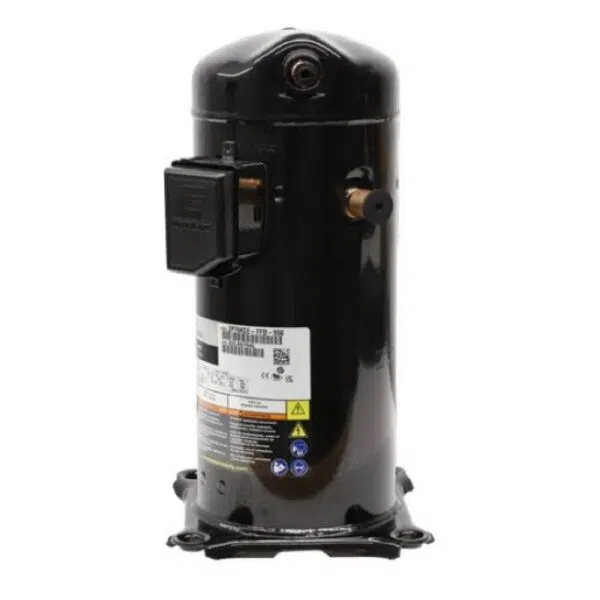
1. Copeland ZP76KCE-TFD-950 Scroll Compressor
- Capacity: 6.3 Ton / 76,000 BTU cooling output for robust heavy-duty commercial applications.
- Electrical Specifications: 380–460 V, 3-Phase, 50/60 Hz robust design.
- Refrigerant Compatibility: Engineered specifically for high-efficiency R-410A systems.
- Operational Benefit: Delivers quiet, vibration-free fluid compression and exceptional longevity under extreme thermal loads.
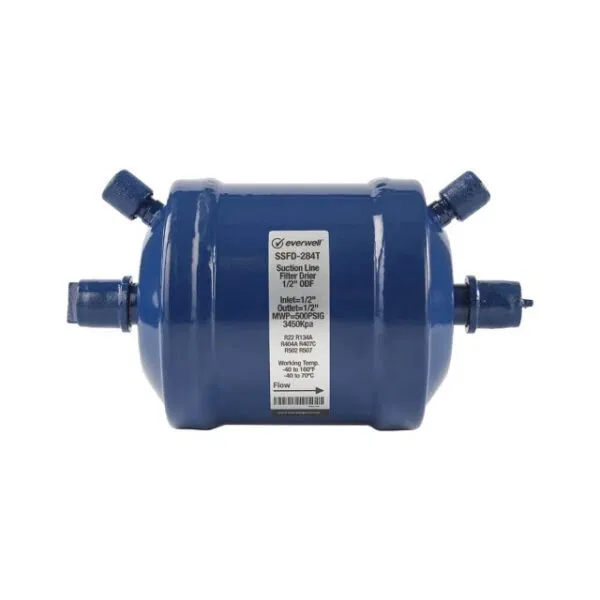
2. Everwell SSFD-286T Suction Line Filter Drier
- Connection Size: 3/4 inch ODF solder connections for secure braze installation.
- Maximum Pressure Rating: Rated up to 600 PSI (4140 kPa) for high-pressure modern refrigerants.
- Filtration Efficiency: Absorbs residual moisture and traps particulate contaminants to safeguard compressor valves.
- Operational Benefit: Essential retrofit protection following major compressor replacements or system overhauls.
3. Yellow Jacket 42024 Series 41 Manifold Set
- Gauge Diameter: Large 3-1/8 inch (80 mm) bold, easy-to-read analog dials.
- Pressure Range: High side 0–800 psi; low side 30 in Hg to 800 psi.
- Refrigerant Compatibility: Fully compatible with R-32, R-410A, and modern A2L refrigerants.
- Operational Benefit: Provides unmatched diagnostic accuracy for precise superheat and subcooling calculations in the field.
4. Hercules AHS36HD-26 Adjustable Air Handler Stand
- Height & Width: 36-inch height with adjustable width from 16 to 26 inches.
- Load Construction: Ultra-heavy-duty galvanized steel frame with 2” x 2” x 1/8” angles.
- Integrated Features: Built-in filter rack fitting standard 1” filters and anti-vibration rubber isolation strips.
- Operational Benefit: Elevates equipment safely off mechanical room floors, simplifying service access and condensate drainage.

6. THERMOSTAT, ZONE CONTROLS, AND CYCLE TIMING
Precision control calibration ensures that central air conditioning systems cycle correctly without short-cycling or thermal hunting.
- Verify Thermostat Calibration: Test temperature sensor accuracy and verify programming schedules, differential settings, and fan auto/on modes.
- Check System Cycle Times: Observe a complete call for cooling from startup through stabilization to shutdown. Confirm that run times comply with equipment manufacturer minimum cycle recommendations.
- Inspect Zone Dampers: For zoned residential and light commercial systems, verify actuator responsiveness and check damper seals for air leakage.
7. COMPREHENSIVE DOCUMENTATION AND CUSTOMER CONSULTATION
Closing out a mid-summer service call with professional documentation builds immense customer trust and drives recurring maintenance agreements.
- Record Baseline Metrics: Log final suction pressures, superheat/subcooling values, compressor running amps, and supply/return temperature splits (ΔT) on the customer service invoice.
- Provide Transparent Recommendations: Clearly communicate any emerging vulnerabilities: such as borderline capacitors, pitted contactors, or dirty ductwork: before they result in emergency breakdowns.
- Commit to Ongoing Care: Educate facility managers and homeowners on the value of bi-annual preventative tune-ups to protect their equipment investment.

SECURE YOUR INVENTORY FOR AUGUST SERVICE CALLS
Don't let mid-summer supply shortages stall your service fleet. Partner with CedarsHVAC.com for unmatched inventory depth, lightning-fast shipping, and wholesale contractor pricing on all your replacement needs.
SHOP NOW to browse our complete catalog of professional HVAC/R components, or GET STARTED TODAY by opening a contractor account to unlock exclusive bulk discounts.
Professional Disclaimer: The technical instructions, diagnostic checklists, and installation guidelines outlined in this publication are intended strictly for licensed HVAC/R professionals, certified technicians, and qualified facility maintenance personnel. Working with high-voltage electrical circuits and pressurized refrigerants (including R-410A and R-454B systems) involves inherent risks of severe injury, electrocution, and environmental hazard. Always adhere to local codes, OSHA regulations, and proper lockout/tagout (LOTO) procedures. CedarsHVAC.com assumes no liability for equipment damage, personal injury, or operational failure resulting from improper application or uncertified installation.